

Welcome back to the “Model Convo” series — micro interviews with researchers in AI policy and related fields. If you know someone I should interview — maybe that person is you? — please email me.
What are you working on now?
I’m working as a consultant and writer for advocacy and nonprofit groups. I recently became interested in how people adjust their views following disconfirmation and the history of social psychology.
I just published a history of the canonical social psychology study “When Prophecy Fails” showing that it misrepresented its key findings as well as another study on how new religious movements, aka cults, generally collapse after their prophecies fail.
I also write at Cold Button Issues.
[Here is some of Thomas’s excellent writing on the normalization of chatbot companions and how AI might reduce crime at the margins.]
What were you working on before this?
I served as a Horizon Fellow for the Oversight & Investigations Subcommittee of House Energy and Commerce as well as at the Medical Countermeasures Coalition.
Before that, I taught political science at Denison University, worked on organ donation policy, and consulted for health advocacy organizations.
How did you get into emerging tech/science policy?
I was always interested in health policy, but not health insurance policy, even though they’re often treated as synonyms.
In graduate school, I got interested in organ donation policy as it seemed pretty neglected given how important it was. I ended up donating my spare kidney, launching an advocacy organization, and working on bills to provide tax credits to living donors.
But I didn’t get into emerging tech policy until COVID-19 when I became interested in policies around accelerating medical progress and new technologies for disease prevention.
What work of art has most shaped your views on emerging tech?
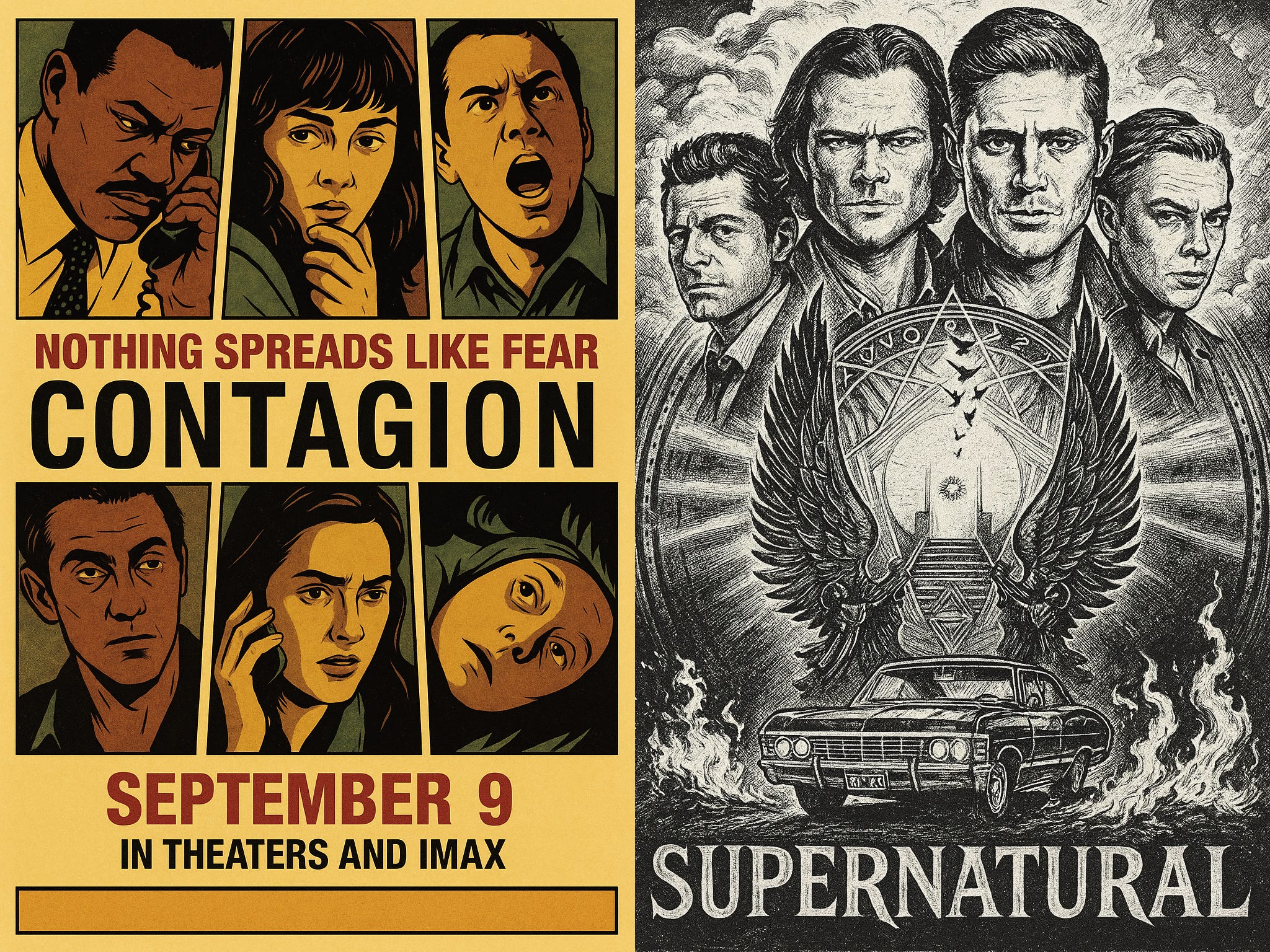
That’s hard. I’m tempted to say 28 Days Later or Contagion, but I don’t think that’s really true. I actually started to get more interested in the topic during lockdown, when I filled my new free time with Supernatural.
The real answer is probably anything hyper-sentimental that tugs at the heartstrings or makes you cry. I don’t know that I view emerging tech policy differently in any qualitative way. I just think it’s very important, with very high stakes.
What’s your most contrarian take on emerging tech policy?
In some parts of emerging tech, what happens in Washington, DC probably outweighs what happens everywhere else. But that’s much less true in bio than AI.
US states, even some cities, are big enough and rich enough that pathogen surveillance, strategic stockpiles, and even some medical countermeasure R&D incentives could happen at the state level, and state-level policy is much more neglected. An ambitious state legislator in Florida or California could be a godsend to the country.
Go-to emerging tech track?
I’ve probably only loved a dozen albums in my life. Recently, I returned to Goodbye Alice in Wonderland by Jewel.