

This week’s convo is with Matthew David Hamilton, the Managing Director of Georgetown University’s Initiative on Artificial Intelligence and Democratic Citizenship (AIDC).
Prior to joining AIDC, Matthew earned his PhD in government from Georgetown University. He writes on political theology at his Substack The Peace of the City.
What was your path into AI, and what are you working on now?
For as long as I can remember, I’ve been interested in the complications of living a good life. In high school, I was a listening ear for many close friends going through difficult times. In undergrad, I literally earned my BA in “Pastoral Ministry,” intending to do more of the same as an evangelical pastor. In seminary, I specialized in Christian ethics, engaging these same questions about living well from a more rigorously academic angle. And in my PhD, I made studying global justice my vocation.
This interest in ethics took a technological turn when Hélène Landemore gave a talk at Georgetown on AI and democracy where she argued that AI can facilitate mass deliberation, making already democratic societies more democratic. While I have my disagreements with some of the specifics, her talk inspired me and two colleagues to meet regularly and discuss the intersection of political theory and emerging technologies. A few years later, the three of us won a grant to launch AIDC with the intention of bringing together DC-area humanists to study the way AI will impact democracy, for better or for worse.
Prior to focusing on technology, I researched and wrote on accountable power. The United States government, for example, was set up to wield accountable power. Unlike a king who can impose his will without consequence, the US Constitution guarantees that political power will be accountable to subjects through the separation of powers, regular elections, the rule of law, and more.
But emerging technologies and technology companies often wield power unaccountably, making them a natural extension of my work. My article from last year, “Digital Domination,” for example, thinks through the way technologies and the companies that provide them shape our behavior without ever directly interfering in our lives and offers some ways to respond.
In other words, I have always been interested in ethics and human flourishing, and since new technologies increasingly play a significant role in our lives, they became a central part of my curiosity.
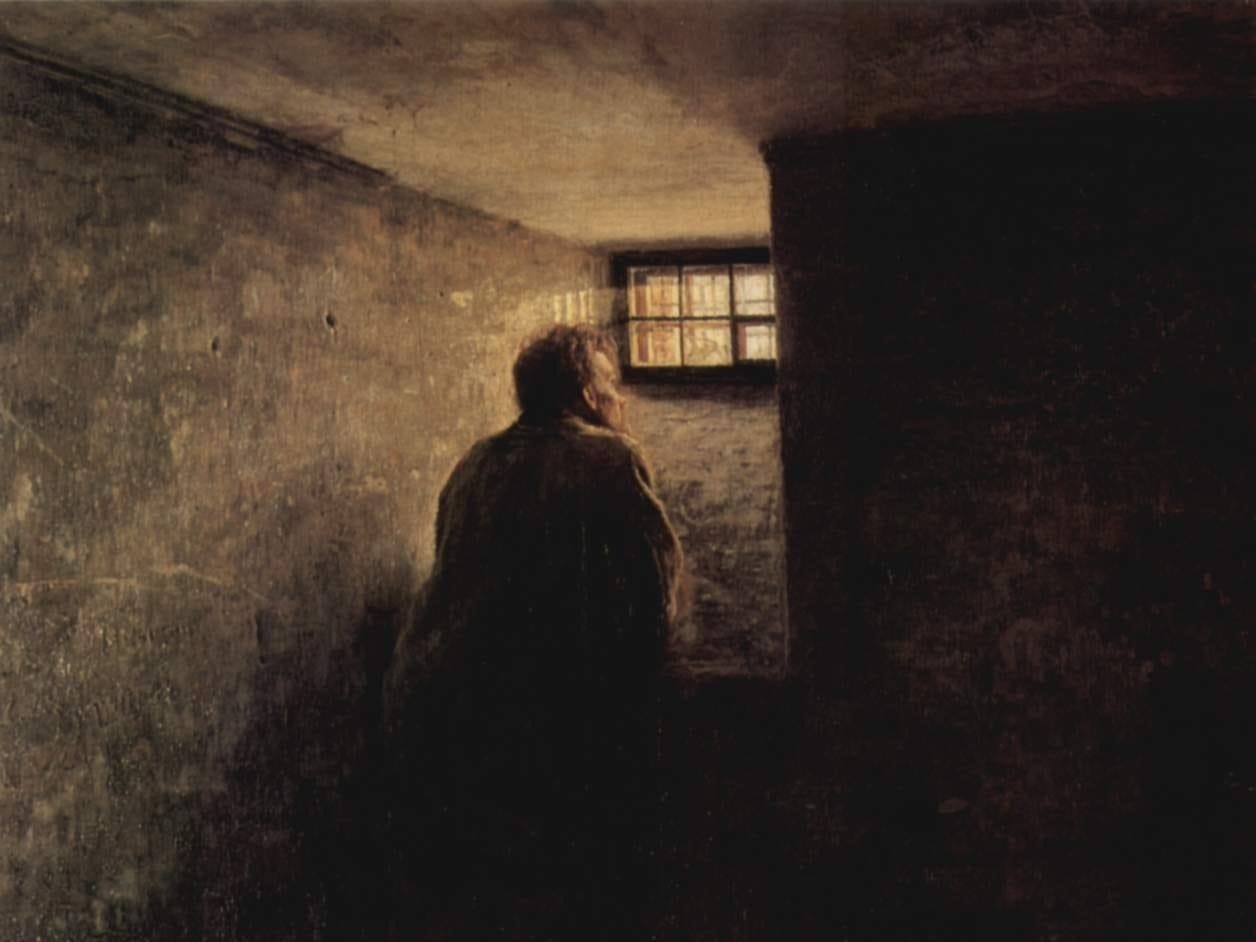
What works of art have most shaped your views on AI?
Honestly? The Bible.
In my reading, Genesis 1 and Psalm 8 confer a dignity and authority on humans that AI can never take ontologically and should never take practically. Humanity is unique and should be honored as such, even if we develop technologies that exceed some of our mental capacities.
At the same time, 1 Corinthians 15 and Revelation 19 onward give me confidence that AI won’t end the world. While I am a humanist, I don’t fear or oppose AI’s development because I understand myself within a story that doesn’t end in an AI dystopia.
The hope-filled humanism I see across Scripture frames and fills my perspective.
What’s your most contrarian take on AI?
To channel William Goldman, no one knows anything about AI’s future. We grasp for historical metaphors to make sense of the present, but we can’t know which is the right one. Is it like the printing press that radically destabilized social and political hierarchies or like the radio that entrenched existing power structures? Will AI experience a number of boom-bust economic cycles like the railroad buildout, or will the massive demand for AI products ensure that the bubble never pops? It’s frankly impossible to know what comes next, and all we can do is stay informed on recent developments and try our best to be adaptable.



What are you reading, watching, or listening to now?
For some reason, I’ve recently found myself drawn to 19th-century literature and philosophy. About a year ago, I started rereading the Fyodor Dostoevsky novels I read in undergrad, revisiting Notes from Underground and The Idiot and adding Demons to my collection. I also read Frankenstein for the first time this year, for obvious reasons. And I’ve been very slowly working my way through Thus Spoke Zarathustra. It’s been a really fun read, even if I can feel Nietzsche’s narcotics dripping off the page.
In terms of music, I’ve been trying to find a new era of metalcore bands. I grew up listening to the classics of the scene —— Underoath, The Devil Wears Prada, August Burns Red, and the like —— and have (predictably) fallen out of love with most of those bands as they’ve aged. (I loved everything by TDWP until the most recent album.) Now, it’s mostly smaller, newer bands like Bloodlines, HolyName, Diamonds to Dust, Midwinter, and vianova, all of whom are offering a fresh take on the metalcore genre.
And, of course, I am watching the NBA Playoffs. Since my Houston Rockets suffered a much-deserved defeat —— what a disgusting and un-fun season! —— my loyalty will be mostly with the Minnesota Timberwolves, the San Antonio Spurs, and anyone who is playing the Los Angeles Lakers.
Go-to emerging tech music track?
I’d have to go with “The Anatomy of Time (Babel)” by Silent Planet, which is inspired by the sci-fi movie Arrival. The song and the band’s name also take inspiration from C.S. Lewis’s The Space Trilogy. The song frames our language as a kind of deficient technology, making the case that our inability to effectively understand reality and communicate drives us into unnecessary conflict. If we had another way into Being (to sound like an obnoxious philosopher), we might be able to find peace.