
Welcome back to the “Model Convo” series — micro interviews with researchers in AI policy and related fields. If you know someone I should interview — maybe that person is you? — email me.
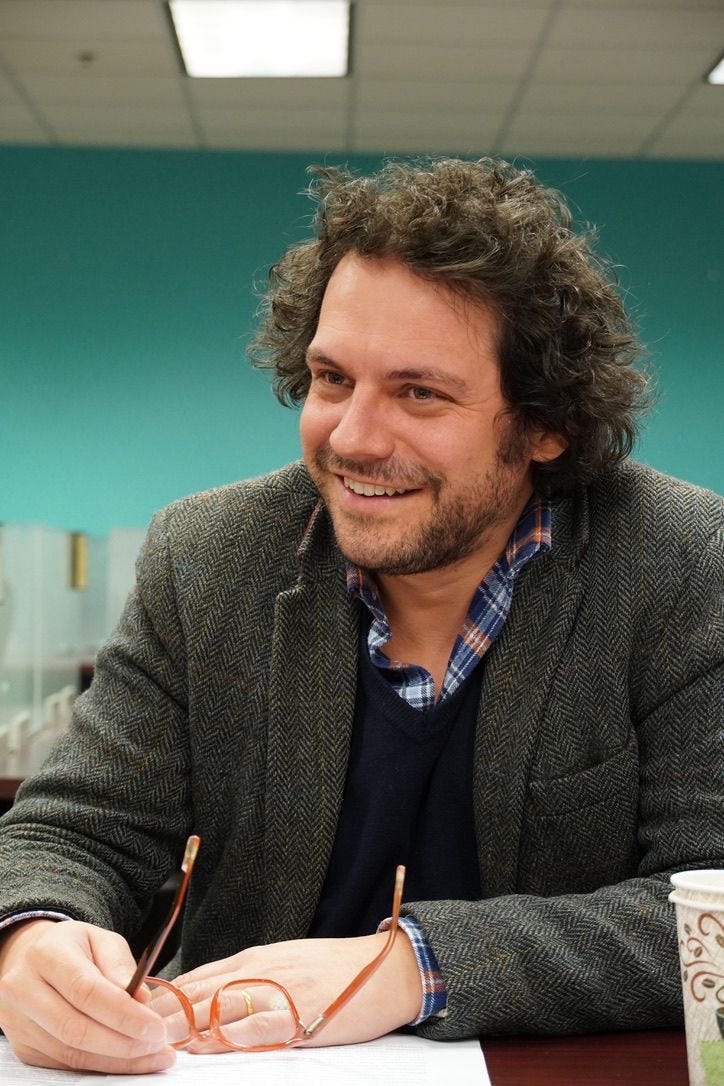
Henry Oliver is a Research Fellow in the Emerging Scholars Program here at the Mercatus Center at George Mason University. He is a writer, critic, and runs (for my hypothetical money) the best literary Substack around — The Common Reader.
Henry writes extensively on the relationship between literature and large language models. Some recent short essays of his include:
Henry is the author of Second Act: What Late Bloomers Can Tell You About Success and Reinventing Your Life. He is also working on a forthcoming book on the role of classic literature in the cultivation of liberal values and human flourishing. If that were not enough, he co-writes The Pursuit of Liberalism alongside the philosopher (and fellow Mercatian) Rebecca Lowe.
Before coming to the swamplands of DC, Henry worked in many capacities, including as an assistant for a British MP, teaching assistant, copywriter, and brand consultant. He holds a graduate diploma in law and received his BA in English language and literature from Oxford University in 2008.
What follows is a brief interview edited for clarity.
How did you get into emerging tech?
If you are interested in literature and writing, you cannot not be interested in AI.
My writing in this area is mostly about how good AI is at writing poetry (not very good at the moment).
Otherwise, I was largely converted to libertarian ideas about technology when I worked in Parliament, even though I am not very techie myself. For two years in my twenties, I had no phone.
What work of art has most shaped your views on emerging tech?
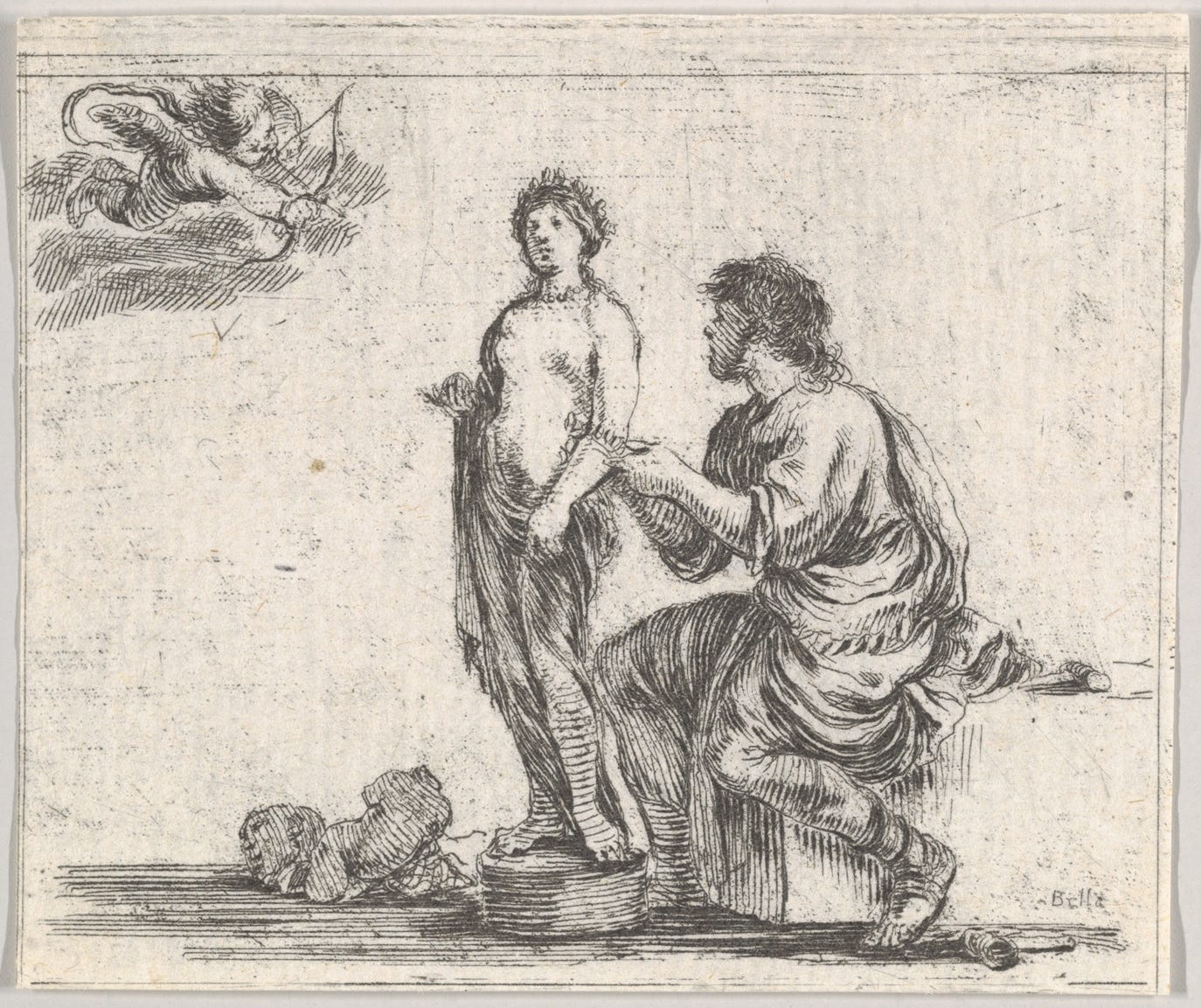
I think Her is a good movie and has a lot to do with the Pygmalion myth, which I wrote about as it relates to AI.
Arcadia by Tom Stoppard is about the progression and loss of knowledge, and the potential for unity between the arts and sciences. I love that play very much.
_MET_DP831089.jpg)
What’s your most contrarian take on AI?
Among my readers, who are often literary people, the most contentious point is that I am ambivalent about AI, rather than being either pro or anti.
(I am more pro than anti though and some readers dislike that…)
I recently asked if it is unliterary to oppose AI, for example. I do not find literary arguments about AI and reading very persuasive.
Among AI people, I expect I do not have contrarian takes, other than that you all should be reading Shakespeare and Tolstoy and the other Great Books.
Literature is essential to getting a full vision of life: imagination breaks the path that reason follows. That applies to the SV vibe shift too...
I also think AI will have a taste of its own.
What are you reading (or watching, or listening to) now?
Right now? I have Thomas Tallis on, and Purcell. I am reading ‘The Loneliness of Sunny and Sonia’ which I love. I don’t watch as much, but I am watching some Western movies, John Wayne especially.
Go-to emerging tech music track?
The music I enjoy is largely by dead people. But the history of music is the history of technological development, so can I say Mozart’s clarinet quintet?